If you're unable to connect to the internet on Windows 11, there are several fixes you can try. Common symptoms include a lack of internet access, limited connectivity warnings, and frequent disconnections. This guide will help you identify these symptoms, explore potential causes, and provide step-by-step solutions to restore your connection.
What are the common symptoms of network connectivity issues?
You may notice a few key symptoms indicating network problems. Here are some typical signs:
- No Internet Access: Your device is connected to Wi-Fi or Ethernet, but you cannot access the internet.
- Limited Connectivity: You see a yellow triangle on the network icon, indicating limited access.
- Slow Connection: Pages take a long time to load or fail to load entirely.
- Frequent Disconnections: You’re repeatedly getting disconnected from Wi-Fi.
These symptoms can appear suddenly or develop over time, often after updates or changes to your network settings.
Error:
Limited accessWhat could be causing my network issues?
Several factors can contribute to network connectivity problems in Windows 11. Here are some common causes:
- Hardware Failures: Issues with the router, modem, or network cables can disrupt connectivity.
- Software Settings: Incorrect network settings, outdated drivers, or Windows updates can lead to issues.
- Network Configuration: Conflicts between devices on the same network or problems with your ISP.
- Firewall or Antivirus Interference: Sometimes, security software can block network access unintentionally.
Identifying the root cause can help in implementing the right fix.
How do I fix these connectivity issues?
To address common network connectivity issues, follow these steps:
- Restart Your Computer and Router. Restarting can often resolve many issues.
- Check Network Settings. Ensure your network settings are correct. Go to Settings > Network & Internet > Status and click on Network reset to reset your network settings.
- Update Network Drivers. Open Device Manager, expand Network adapters, right-click your adapter, and select Update driver. If this fails, visit the manufacturer's website to download the latest drivers manually. ``
powershell title="PowerShell (run as Administrator)" Get-NetAdapter | Update-NetAdapter`` - Run Network Troubleshooter. Go to Settings > System > Troubleshoot > Other troubleshooters and run the Internet Connections troubleshooter. This tool can help identify and fix problems automatically.
- Flush DNS Cache. Open Command Prompt as Administrator and enter: ``
cmd ipconfig /flushdns`` This clears any corrupted DNS records. - Reset TCP/IP Stack. In Command Prompt as Administrator, execute: ``
cmd netsh int ip reset`` This command resets your TCP/IP stack to its default configuration.
How can I verify my internet connection is stable?
After applying the fixes, you can verify your internet connection:
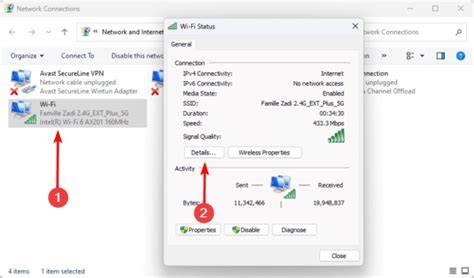
- Check Network Status. Go to Settings > Network & Internet > Status. It should show that you are connected to the internet.
- Run a Speed Test. Use a reliable speed test website to check your connection speed. If it aligns with your internet plan, your connection is likely stable.
- Ping Command. Open Command Prompt and type: ``
cmd ping google.com`` You should see response times; if there are timeouts, the issue may still persist.
What if the problem persists?
If you've tried all the above steps and your connectivity issues continue, consider these options:
- Check with Your ISP: Sometimes, the problem lies with your Internet Service Provider. They can inform you of outages or issues in your area.
- Try Another Device: Connect another device to your network to see if it experiences the same issues. This can help pinpoint whether the problem is with your device or the network itself.
- Reinstall Network Drivers: As a last resort, uninstall the network drivers in Device Manager, then restart your computer to reinstall them automatically.
- Seek Professional Help: If all else fails, it might be time to consult a professional technician for further assistance.
Conclusion
After following these steps, you should be able to resolve your network connectivity issues. If the problem persists, reach out to your ISP or a professional for deeper troubleshooting.